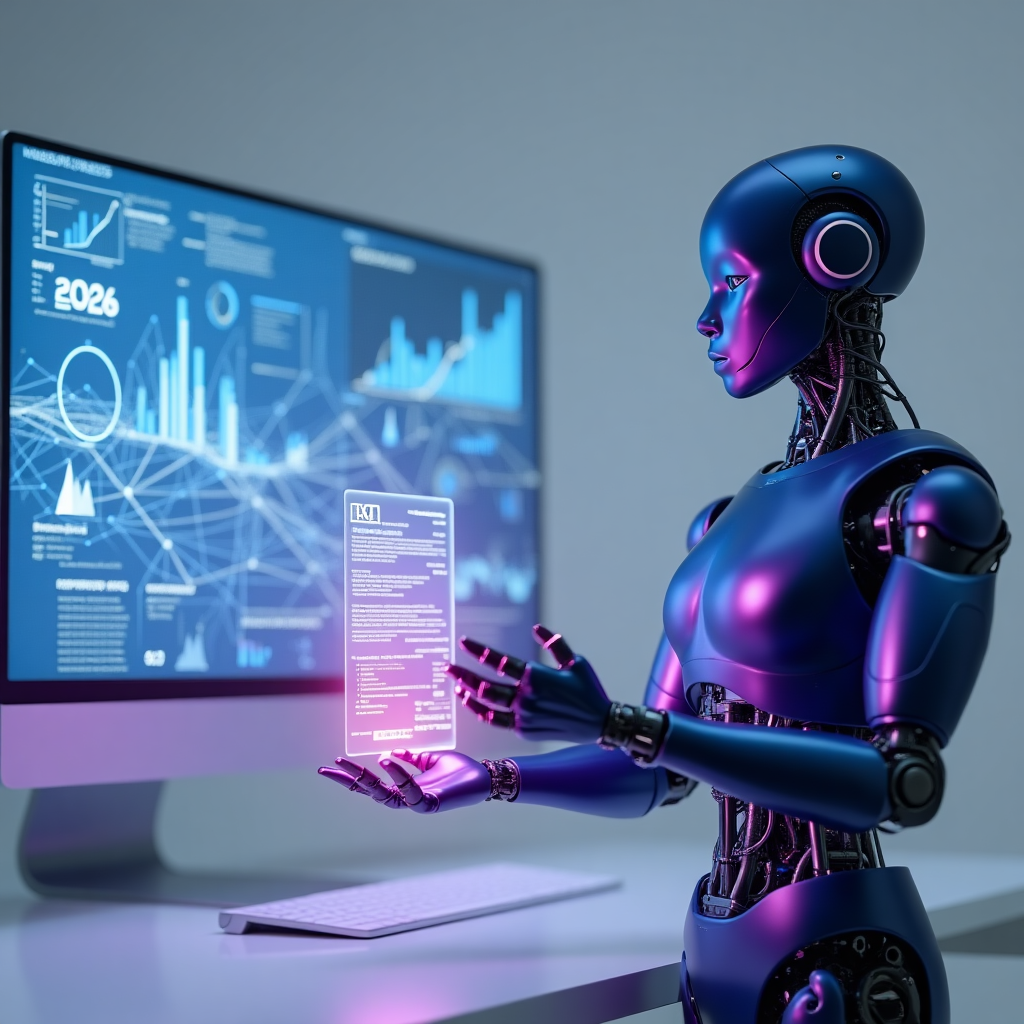
Hiring the right people has never been easy, and these days, it feels even more complex. Between soaring candidate expectations, faster-moving markets, and evolving job roles, traditional hiring methods just can’t keep up. That’s where AI steps in, not as a replacement for human judgment, but as a powerful partner that makes recruiting smarter, faster, and more human-centered than ever before.
In this blog, we’ll explore how AI is quietly but profoundly changing the way companies discover, engage, and hire top talent—helping recruiters work smarter, build stronger teams, and stay competitive in a shifting talent landscape.
What is Talent Acquisition AI?
Talent acquisition AI refers to the use of machine learning, natural language processing (NLP), and data analytics tools to optimize and automate the hiring process. These tools help companies find, assess, and onboard top talent faster and more effectively, all while reducing human biases and errors.
The Evolution of Recruitment with AI
Recruitment has come a long way from posting job ads in newspapers to AI-powered resume parsing and candidate outreach. Companies now leverage AI to mine massive datasets, source passive candidates, conduct initial screenings, and even schedule interviews without human intervention.
According to IBM, organizations using AI for recruiting have seen a 30% decrease in time-to-hire and a 25% increase in hiring accuracy.
Key Benefits of Talent Acquisition AI
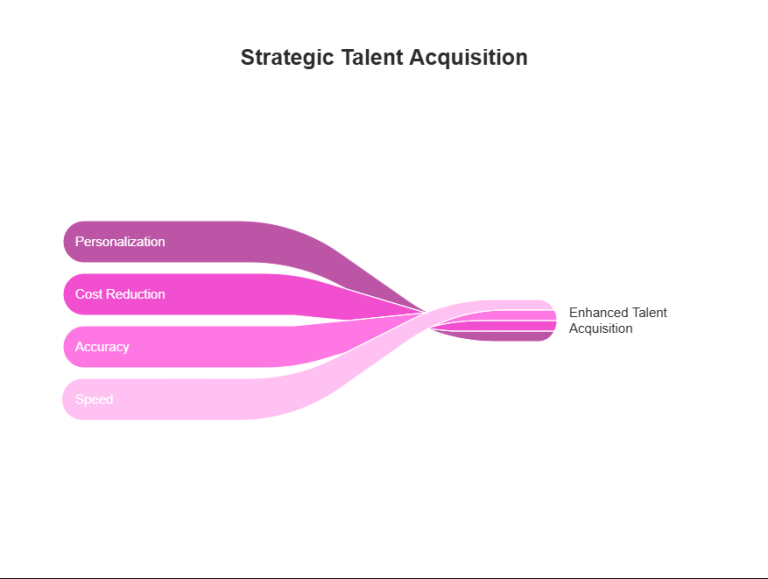
- Speed: Reduce time-to-hire with instant resume screening
- Accuracy: Match candidates based on skills, experience, and culture fit
- Cost Reduction: Cut operational costs through automation
- Personalization: Provide tailored candidate experiences
How AI Improves Candidate Sourcing
Instead of relying solely on inbound applications, AI algorithms actively search across databases, LinkedIn profiles, and other online sources to identify candidates who perfectly match the job requirements.
Fun Fact: Companies using AI-driven sourcing tools report 2x faster talent discovery compared to traditional methods.
AI Screening and Shortlisting
AI systems analyze resumes, assess keywords, rank candidates, and even detect soft skills through linguistic pattern recognition. This saves recruiters hundreds of hours per year.
Enhanced Candidate Engagement with AI
AI chatbots and virtual assistants deliver personalized messages, reminders, and updates throughout the hiring journey—keeping candidates engaged without overwhelming HR teams.
Bias Reduction through AI
One of the most promising aspects of AI is its ability to remove unconscious bias in recruitment. By focusing solely on skills and data points rather than personal characteristics, AI fosters a more inclusive hiring environment.
Predictive Analytics for Better Hiring Decisions
AI uses historical hiring data to predict a candidate’s likelihood of success, enabling recruiters to make smarter decisions and reduce turnover.
Chatbots in Talent Acquisition
Smart chatbots can instantly answer FAQs, gather candidate data, and even suggest personalized next steps—delivering a seamless and responsive experience.
AI-Powered Interview Scheduling
No more endless back-and-forth emails. AI tools like calendar bots find available slots and book interviews instantly.
Skill Assessments and AI
Beyond resumes, AI-driven platforms administer coding challenges, personality tests, and cognitive assessments tailored to the job’s core competencies.
AI in Background Checks and Verification
Background screening processes have become faster and more reliable with AI-based verification systems, making onboarding smoother and more secure.
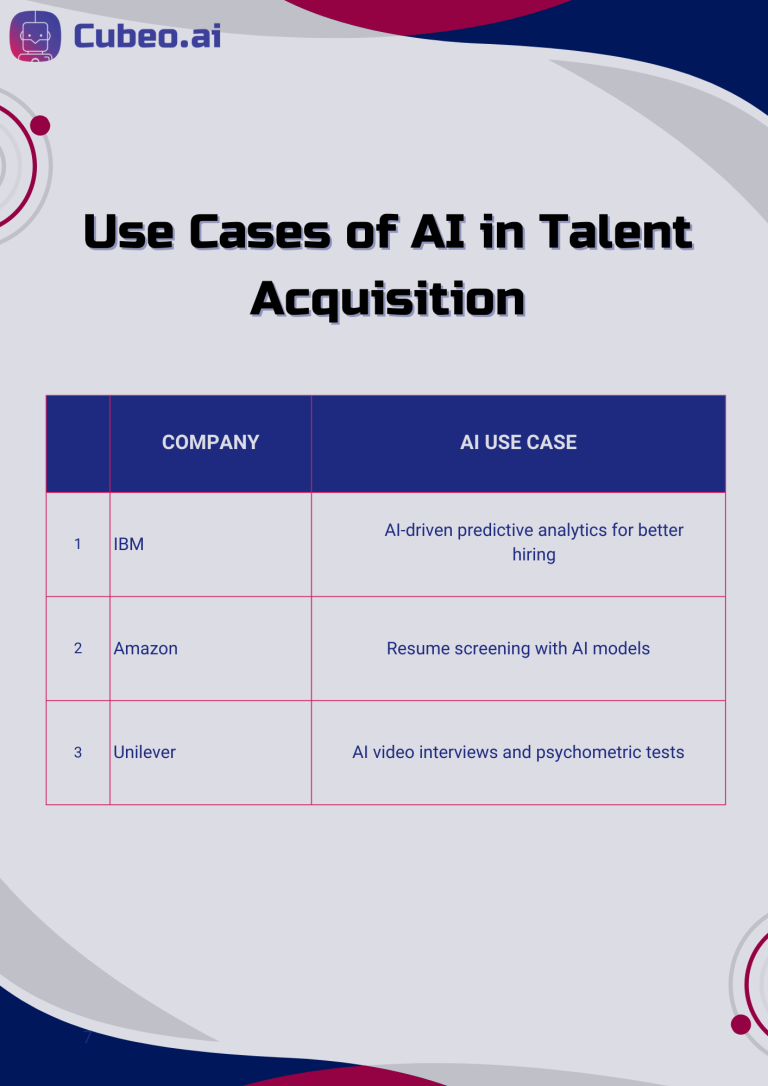
Use Cases of AI in Talent Acquisition
Challenges in Implementing Talent Acquisition AI
- Data privacy and GDPR compliance
- Ensuring fairness in AI algorithms
- High initial investment for setup and training
Ethical Considerations in AI Hiring
Transparency is key. Employers must disclose when AI is used and ensure that AI tools are audited for bias and ethical practices.
Future Trends in Talent Acquisition AI
- Hyper-personalized candidate journeys
- AI-driven employee onboarding
- Sentiment analysis during interviews
How to Choose the Right AI Recruitment Platform
Look for platforms that offer:
- Seamless ATS integration
- Customization capabilities
- Transparent AI models
- Strong data privacy compliance
Best Practices for Using AI in Hiring
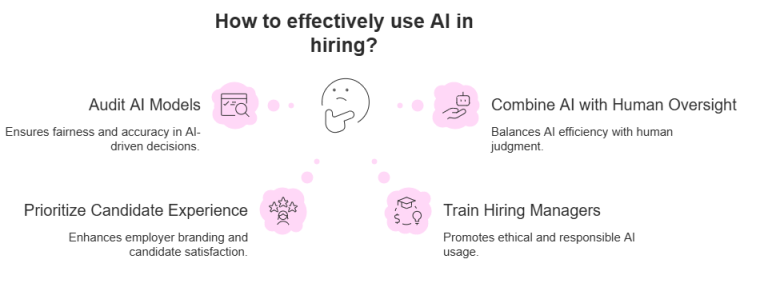
- Audit AI models regularly
- Combine AI with human oversight
- Prioritize candidate experience
- Train hiring managers on ethical AI usage
Talent Acquisition AI Statistics You Should Know
- 67% of HR professionals say AI has improved their hiring processes.
- Companies using AI tools have a 20% lower employee turnover.
- 45% of job seekers prefer companies using AI for hiring transparency.
Top Industries Benefiting from Talent Acquisition AI
Conclusion: Future-Proofing Recruitment with AI
AI in talent acquisition isn’t just a trend—it’s the future. Companies that adopt smart, ethical AI practices will not only fill roles faster but also create more diverse, inclusive, and efficient workplaces. Whether you’re a startup or an enterprise, embracing AI today ensures you lead tomorrow.