
AI isn’t just about chatbots anymore.
Today, businesses and users are witnessing the rise of two distinct AI models: AI Assistants and AI Agents.
While they might sound similar, their roles, intelligence levels, and potential impact on your operations are very different.
Let’s dive into this important difference—because in 2025, knowing which one to use could be the game-changer for your business growth.
AI Agents vs AI Assistants: The Fundamental Differences
At a high level:
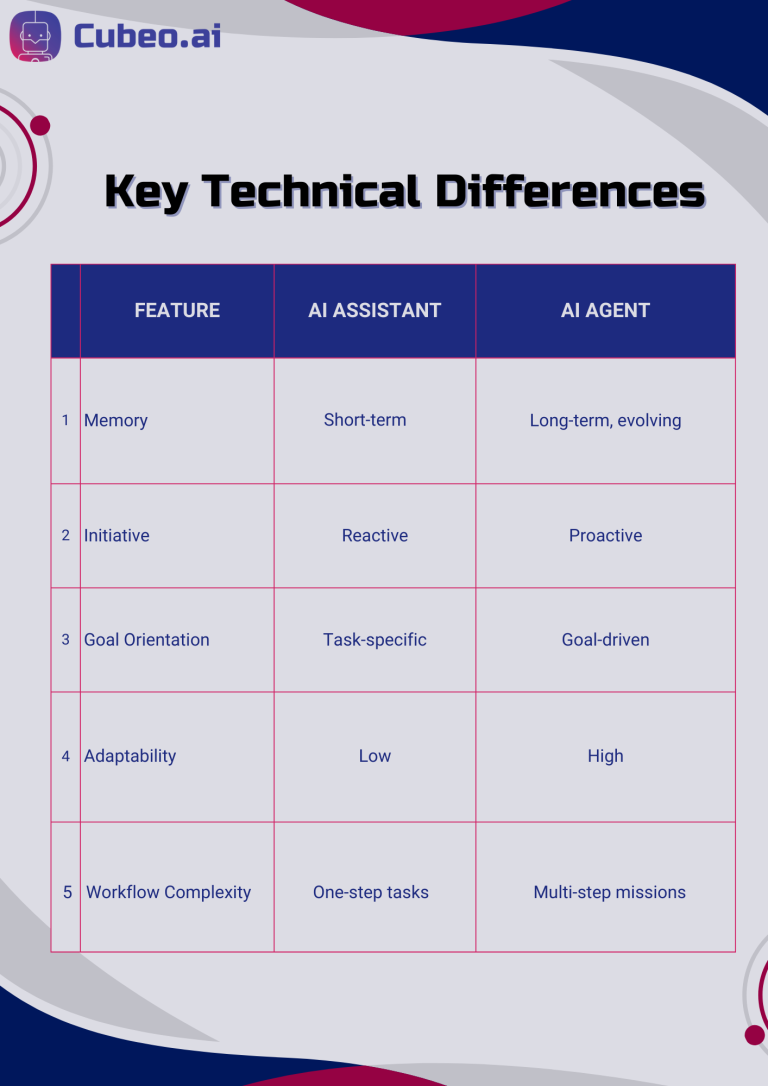
- AI Assistants react to user inputs.
- AI Agents act autonomously to achieve goals even without direct user instructions.
It’s the difference between a helpful clerk (assistant) and a project manager (agent).
What is an AI Assistant?
An AI Assistant is designed to respond to specific user commands or queries.
Key Traits:
- Reactive behavior
- Task-specific
- Limited memory
- Always user-initiated
- Usually built for one-step actions
Examples:
- Siri
- Alexa
- Google Assistant
According to Optimizely’s breakdown, AI assistants are still limited when it comes to handling multi-step or evolving objectives.
What is an AI Agent?
An AI Agent goes beyond simple assistance. It can plan, decide, adapt, and act autonomously based on predefined goals.
Key Traits:
- Goal-driven
- Autonomous decision-making
- Learns and adapts over time
- Can complete multi-step workflows
- Often uses memory and world models
Examples:
- Personal AI researchers
- AI project managers
- AI-driven customer onboarding systems
As IBM explains, AI Agents simulate higher-order cognition—making them fit for dynamic, complex environments.
How AI Assistants Work: Reactive, User-Driven Actions
AI Assistants are built around interaction loops:
- User asks → Assistant answers.
- User commands → Assistant performs.
They don’t retain context deeply over time, and their decisions don’t evolve unless reprogrammed.
How AI Agents Work: Proactive, Autonomous Systems
AI Agents sense their environment (via APIs, databases, newsfeeds, etc.), decide what actions are needed, and act without waiting for user prompts.
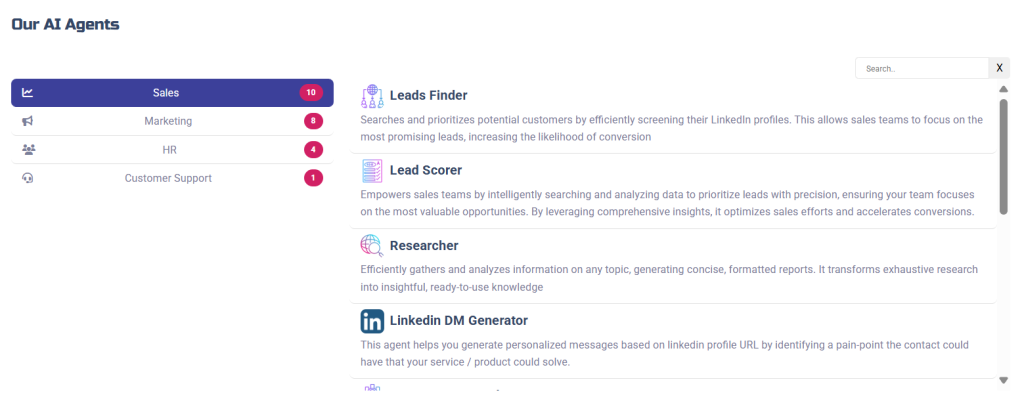
For example, a Cubeo AI Agent can:
- Monitor new Salesforce leads
- Automatically research prospects
- Send a personalized first email
- Log updates—without human involvement!
Key Technical Differences
Real-World Applications of AI Assistants
- Scheduling meetings
- Setting reminders
- Playing music
- Answering FAQs
Real-World Applications of AI Agents
- Automated lead generation and nurturing
- Financial market monitoring and trading
- Healthcare diagnostics workflow management
Great Example: Anima’s exploration of how design teams use AI agents for project management!
Which One is Right for You?
Choose an AI Assistant if:
- You need quick, simple task help.
- You want conversational customer support.
Choose an AI Agent if:
- You need goal-driven, self-running systems.
- You want scalable automation for complex operations.
Evolution of AI Assistants into AI Agents
A major 2025 trend is that simple AI assistants are being upgraded to become agents by integrating memory modules, multi-task planning, and self-learning capabilities.
Benefits of Using AI Agents
- Full workflow automation
- Proactive decision-making
- Improved productivity and ROI
- Less need for manual oversight
Benefits of Using AI Assistants
- Immediate task help
- Easy deployment
- User-friendly
- Affordable
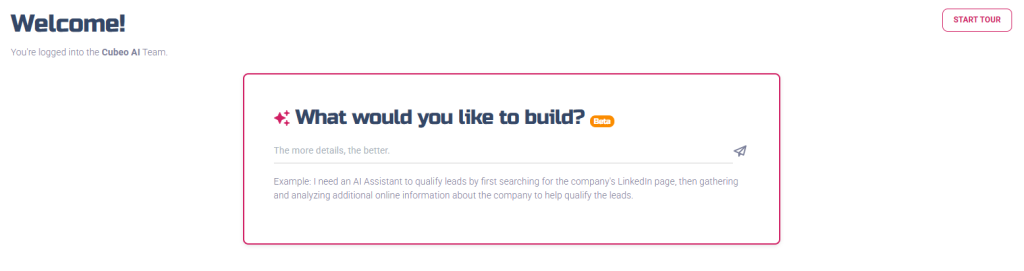
How Cubeo AI Helps Build AI Agents
Cubeo AI empowers teams to build full AI Agents without writing code:
- Custom triggers and workflows
- Slack, HubSpot, Salesforce integrations
- Personalized data access and retrieval
- Full memory and goal setting
Check out Cubeo AI’s Agent Builder and start building smarter today!
Factors to Consider Before Choosing
- Project complexity
- Urgency
- Team’s technical capability
- Budget constraints
- Desired level of autonomy
FAQs
Are AI Agents better than AI Assistants?
Not better—different. Agents are autonomous; assistants are reactive.
Can I combine both?
Yes! Some businesses use assistants for quick tasks and agents for strategic processes.
Are AI Agents more expensive?
Not necessarily. Platforms like Cubeo AI make them accessible even for small businesses.
Conclusion: Choosing the Right AI Technology for Growth
Whether you need a helpful hand (assistant) or a strategic partner (agent), understanding the difference is crucial.
In 2025, the businesses that win are those that choose the right AI for the right job.
Take your first step into smarter automation—with confidence, clarity, and Cubeo AI.